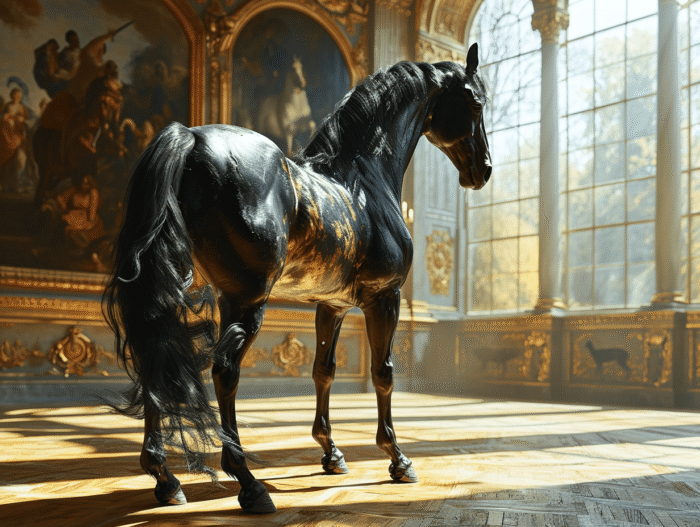
The imprint of animals on art and culture transcends the ages, reflecting the beliefs, knowledge, and complex relationships between humans and non-humans. From the cave paintings of Lascaux, where deer, bulls, and horses gallop on the walls, to the symbolic representations in ancient Egypt, where deities like Anubis sport animal heads, these depictions testify to human fascination. In the Middle Ages, the medieval bestiary portrays real and mythical creatures, embodying morality. During the Renaissance, animals become subjects of scientific and artistic study, foreshadowing an era where animal art reflects contemporary biodiversity and ecological issues.
From Prehistory to the Renaissance: The Evolution of Animal Representation in Art
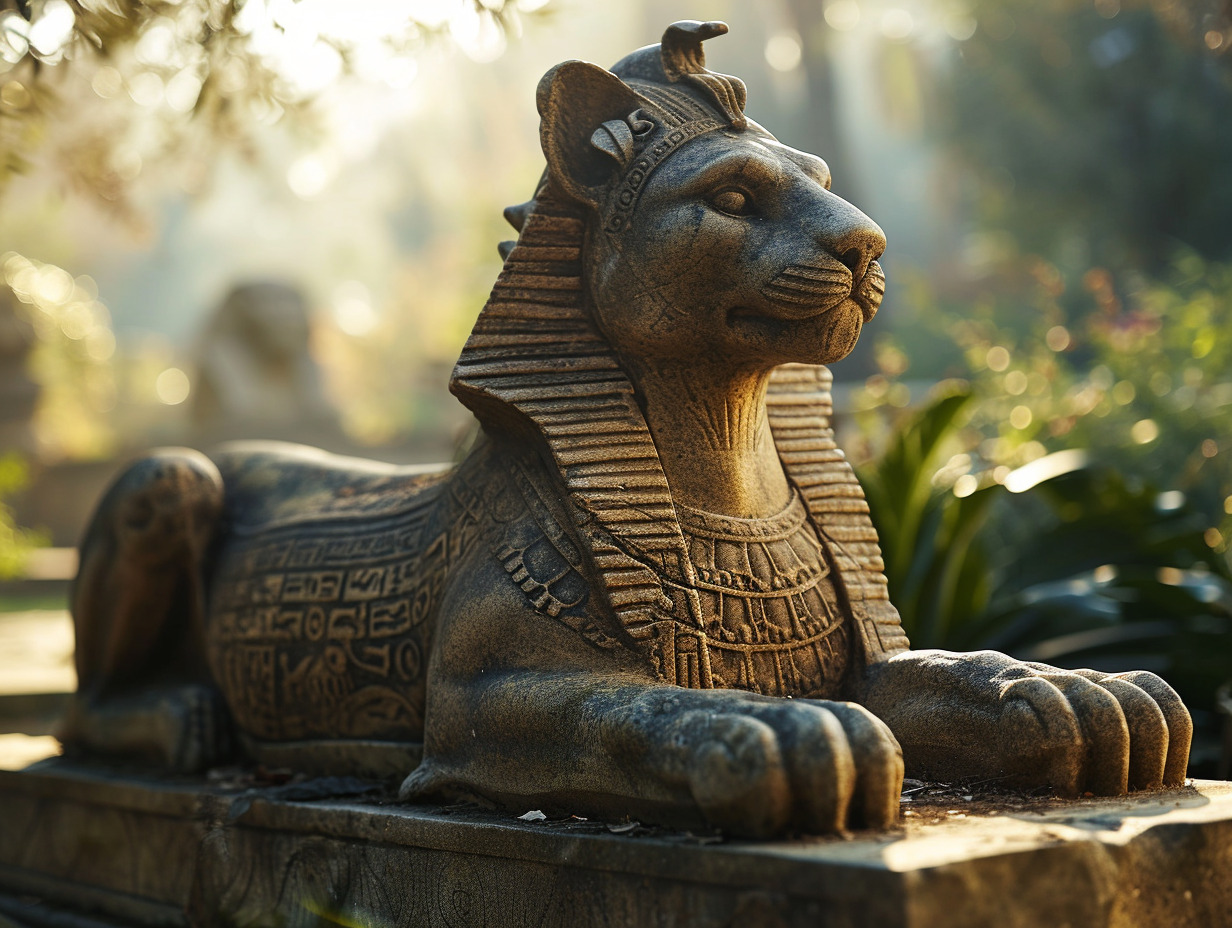
Animals in art occupy a prominent place from the earliest artistic manifestations of humanity. These animal figures, engraved in the silence of prehistoric caves, shape a visual language where the vital force of nature is expressed with intensity. These works, far from being mere reproductions, are imbued with spirituality and mysticism, qualities that humans have always sought to attribute to their environment. Egyptian culture, with its array of hybrid gods, such as the powerful lion or the wise serpent, deifies the animal, transforming it into a vessel of human virtues. In this symbiosis, the sacred cat becomes the solar embodiment of the god Ra, and the lion, a symbol of royalty and power.
Over the centuries, the bestiary evolves. The Middle Ages, with its profusion of illuminated manuscripts, reveals a universe where each creature, real or imagined, carries within it a lesson of life, a moral allegory. The animal becomes a vector of teachings, often rooted in Christian religion, where each species is subject to a particular exegesis. The Renaissance, a period of rediscovery of the sciences and arts of antiquity, unveils a new approach. The animal, an object of anatomical study and artistic subject, is scrutinized with meticulousness. Artists of the time, such as Leonardo da Vinci, strive to reproduce nature with unparalleled precision, a precursor to a new relationship with animality.
In this historical panorama, it is important to note the emergence of an intense cultural exchange: Greek culture, which has influenced so many others, itself borrowed and adapted Egyptian animal symbolism. From this cultural fusion emerged representations that have traversed time, constantly reinventing themselves. Today, initiatives such as ‘Animal News’ continue to highlight the animal in art, testifying to the perpetual reinvention of this relationship between humans and animals within artistic creation. These historical visual narratives remind us that animals are much more than a mere source of inspiration: they are mirrors of our own humanity, companions on our quest for meaning and beauty.
From Modern Art to the Digital Age: The Metamorphoses of Animality in Artistic Creation
Modern and contemporary art has seen animals emancipate from the constraints of traditional representation to become a powerful vector of visual and emotional impact. Artists like Banksy, with his urban works tinged with social critique, to Jeff Koons, known for his kitsch and imposing sculptures, the animal transforms into a symbol of modernity and its paradoxes. Damien Hirst, for his part, explores animal anatomy, casting both a scientific and artistic gaze on the animal world. These creators, among others, have seized the form and essence of animals to question, disturb, and amaze.
Wildlife protection is now among the central themes of contemporary artistic discourse. It is reflected in works that challenge, raise awareness, and sometimes stage ecological urgency. The role of art as a sounding board for societal concerns is confirmed through these approaches, where aesthetics serve a militant purpose. This convergence between art and ecology pays tribute to biodiversity while denouncing its fragility.
The advent of digital and virtual art has opened a new realm of possibilities for animal representation. Digital technologies allow for an unprecedented creative freedom, offering immersive experiences where the boundaries between observer and observed blur. Animals then become digital creatures, dressed in pixels and augmented reality, inviting reflection on the limits between the real and the virtual.
This evolution reflects a profound change in the relationship between humans and animals. The humanities, by investigating this dynamic, underscore the importance of aesthetic experience in our understanding of the animal world. Works of art, as mirrors of their time, continue to shape our understanding of animals while placing them in a constant dialogue with contemporary concerns.