In the world of agriculture, the speed of product growth is essential. One of the most common crops, lettuce, is particularly popular due to its rapid maturation. Even with this crop, it is possible to save time and accelerate the process. To succeed in this mission, various factors must be considered, from weather conditions to planting techniques. Interestingly, optimizing growth time does not necessarily mean a decrease in quality. On the contrary, by following some simple rules, one can obtain tastier and more nutritious lettuces.
Lettuce: How to Maximize Their Growth
Mastering the various factors that influence the growth speed of lettuce is essential to optimize the ‘lettuce growth time’. These factors are multiple and interconnected, ranging from variety selection to the environment and the care provided throughout the cycle.
First, the choice of variety plays a significant role in lettuce growth time. Certain species like ‘Romaine’ or ‘Oak Leaf’, for example, have a naturally higher growth rate than others.
Next comes the climatic influence: temperature, sunlight, and rainfall directly affect lettuce growth time. These vegetables generally prefer a warm environment—neither too hot to avoid premature wilting of the leaves, nor too cold to ensure their development. Water is also crucial, but excess can lead to certain diseases like downy mildew.
The third factor influencing this delicate timing is the soil. A well-drained soil allows the roots to enhance their ability to freely absorb the water and nutrients necessary for rapid and healthy growth.
From a technical standpoint, choosing between direct sowing or transplanting can have a significant impact on your overall timing and thus on your famous ‘lettuce growth time’.
Finally, the care provided throughout the cultivation phase is important: moderate but regular watering to avoid drying out; applying mulch at the base to retain moisture and provide shade against the scorching rays; practicing progressive harvesting rather than a single final harvest will also be beneficial for effectively maintaining the time needed before you can start enjoying your first edible shoots.
Managing these different parameters with finesse will certainly require some horticultural skills, but it will greatly contribute to optimizing this precious ‘lettuce growth time’. In conclusion, it is important to understand that each step has its own significance in the complete process that will lead to that first awaited green plate.
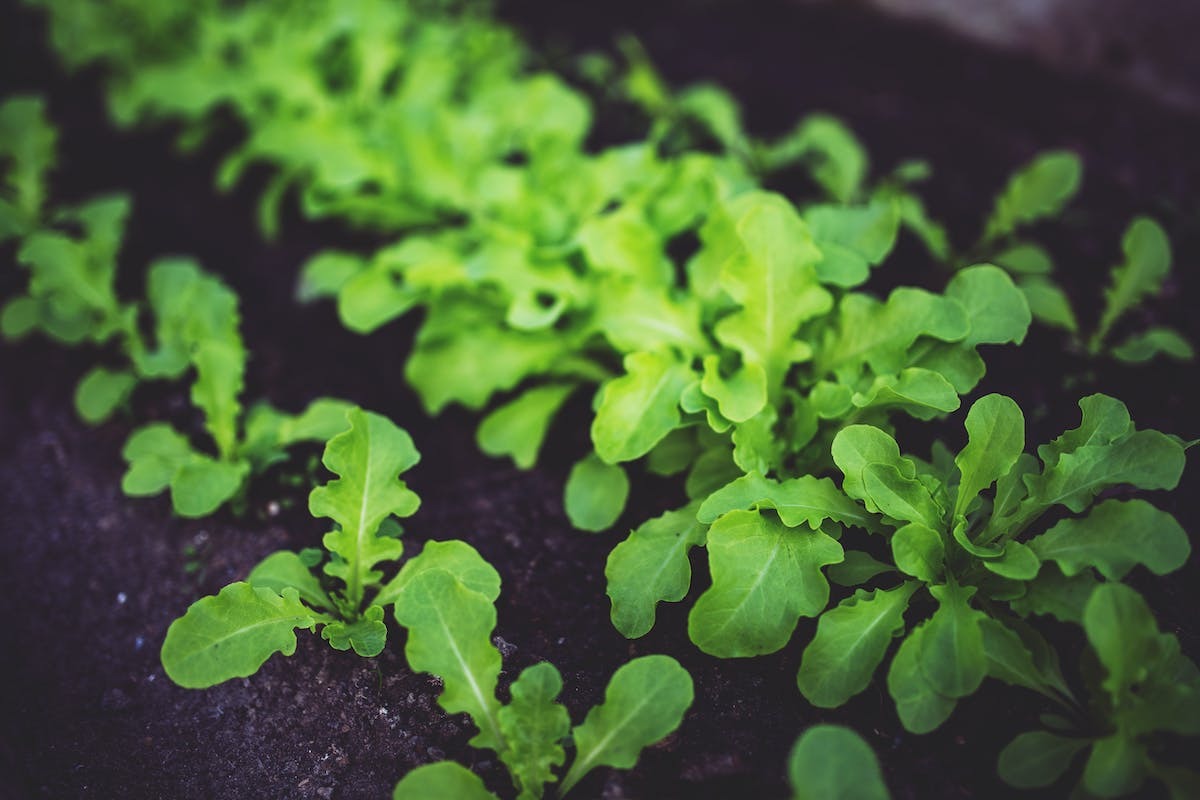
Planting Techniques for Quick Growth
To promote optimal growth of lettuce, be sure to maintain a regular and balanced watering. Lettuce needs a constant humidity to develop harmoniously. It is crucial not to drown them in water, as this can compromise their development.
Nutrition plays a key role in the growth of lettuce. It is recommended to provide a nitrogen-rich organic fertilizer to promote leaf development and achieve dark green leaves. A regular supply of potassium will help strengthen plant tissues and improve disease resistance.
To ensure good air circulation around the plants, be sure to thin out overly crowded seedlings.
Essential Care for Optimal Growth
Early harvests are an excellent option for fresh lettuce lovers who want to quickly enjoy their garden. To achieve this, there are several techniques to implement.
The choice of varieties is essential. Opt for fast-growing lettuces such as iceberg lettuce or arugula. These varieties are known for their rapid development and can be ready for harvest in just a few weeks.
Be sure to prepare the soil well before planting. A soil rich in organic matter will promote faster growth of the plants. Don’t hesitate to add compost or well-decomposed manure to improve the structure and quality of the soil.
To further accelerate the growth process, you can use techniques such as mulching or floating tunnels. Mulching will help maintain a constant temperature around the plants and prevent excessive evaporation of water from the soil. Floating tunnels, on the other hand, will create a microclimate conducive to rapid growth.
The use of foliar fertilizer can also effectively stimulate the growth of lettuce. Applied directly to the leaves, this fertilizer will quickly provide the necessary nutrients for optimal plant development.
Don’t forget to pay attention to weather conditions and adjust your crops accordingly. Maximum sun exposure will promote efficient photosynthesis while protection against strong winds will safeguard fragile plants.
By following these tips, you can quickly enjoy delicious fresh salads from your own garden. Feel free to experiment and adapt the techniques according to your needs and environment.