
You are considering redesigning the layout of your apartment or house in Rennes, but you don’t know where to start. Before even choosing a flooring or a wall color, one technical point determines the entire project’s future: the actual condition of the building. This is where the property diagnosis comes into play, well before the first pencil stroke of an interior designer.
Property diagnosis before renovations: what a technical report really reveals
When we talk about property diagnosis, we often think of selling or renting. In reality, this technical assessment also serves to secure an interior renovation project.
A diagnostician examines several parameters of the building: potential presence of asbestos in false ceilings or tile adhesives, condition of electrical installations, detection of lead in old paints. Each of these elements can radically change the scope of a construction site.
Let’s take a concrete example. You want to knock down a partition to create a large open living space. If the diagnosis reveals asbestos joints in this partition, the removal requires a specific protocol, a certified contractor, and an additional budget. It’s better to know this before signing a renovation quote.
Engaging a interior architecture agency in Rennes that incorporates this step from the design phase avoids unpleasant surprises during the construction process. The diagnosis then becomes a design tool, not just an administrative document.
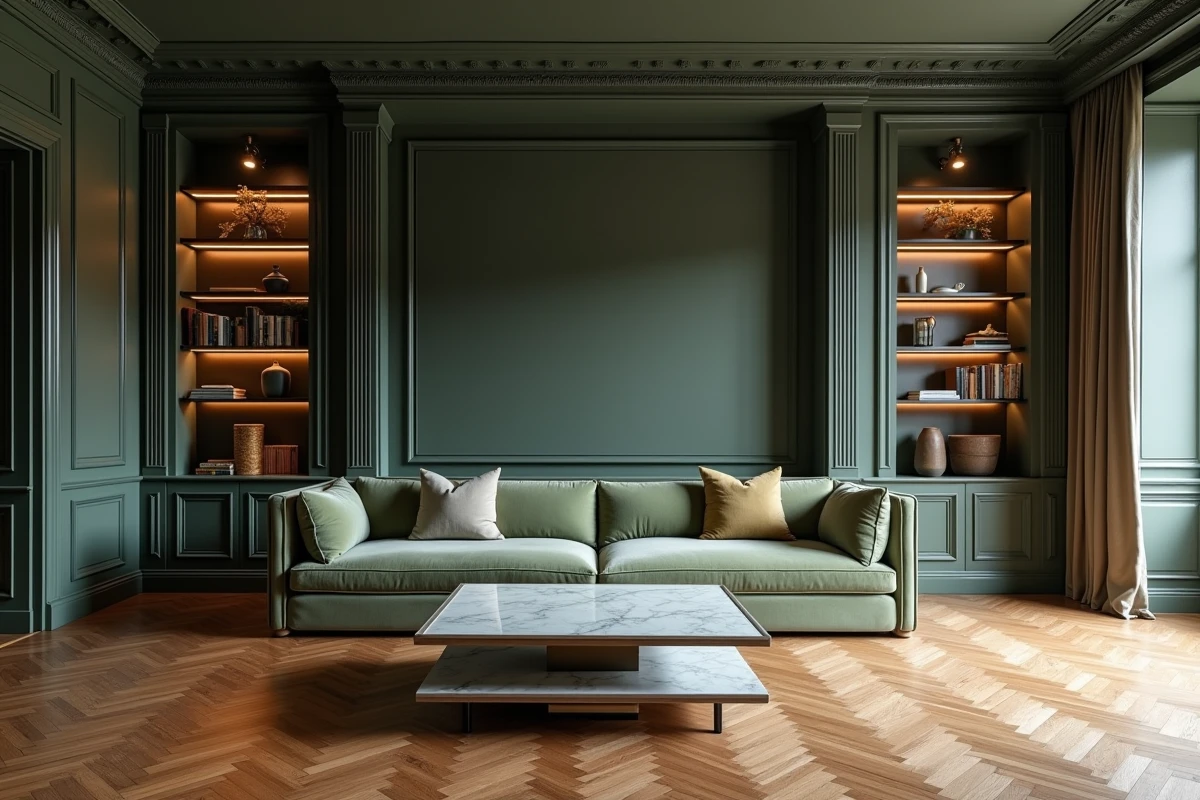
Interior architecture in Rennes: how a custom project is built step by step
Interior architecture is not just about choosing furniture or colors. It is primarily a spatial analysis work. The interior designer studies the existing volumes, natural light, and circulation between rooms.
Listening phase and existing conditions survey
Everything starts with a discussion about your daily uses. How many people live in the accommodation? Do you work from home? Do you need a closed or open storage space? These questions guide the functional program.
Next, the architect conducts a precise survey of the premises. They note the dimensions, ceiling heights, and the positions of water supply and electrical outlets. This survey determines the feasibility of each proposed layout.
Sketches and technical plans
Based on the survey and the property diagnosis, the architect proposes several layout scenarios. Each sketch shows a possible redistribution of spaces, with material choices adapted to the identified constraints.
A detailed technical plan follows the approved sketch. It specifies:
- The exact position of new partitions, openings, and light points
- The materials chosen for each surface (floor, walls, ceiling), compatible with the diagnosis results
- The electrical circuit and plumbing to be modified, in compliance with current standards
- Custom woodwork if the project includes it (integrated bookshelf, dressing room, glass roof)
A well-made technical plan significantly reduces unforeseen issues on the construction site.
Regulatory and technical constraints in Rennes: what changes depending on the type of housing
Rennes has a varied real estate landscape: old buildings in the historic center, residences from the 1960s-1970s, and recent constructions in developing neighborhoods. The type of building alters the constraints of an interior layout project.
Old housing in protected areas
The city center of Rennes includes areas classified or listed as historical monuments. In these sectors, certain modifications (replacement of windows, modification of facades visible from the street) require the agreement of the Architect of the Buildings of France.
A local interior designer knows these perimeters and adapts their proposals in advance. This avoids administrative refusals after several weeks of waiting.
Co-ownership and internal regulations
In co-ownership, touching common areas (rising column, load-bearing wall, ventilation duct) requires a vote at the general assembly. The structural diagnosis allows for a quick distinction between a load-bearing wall and a simple partition.
Another often overlooked point: acoustic insulation. In a collective building, changing the layout of rooms may place a bedroom against the shared wall of a noisy neighbor. Acoustics are part of the criteria that the interior designer incorporates into their plans.

Coordinating diagnosis and design: the concrete benefits for the owner
Separating the property diagnosis and interior design risks a gap between what the building allows and what the project envisions. Combining them from the start produces several concrete advantages.
- The budget is more reliable: items related to asbestos removal, electrical compliance, or lead treatment are included in the overall envelope from the beginning
- The timeline is more realistic: deadlines related to potential administrative approvals are anticipated before the start of the construction
- Material choices are relevant: there’s no need to plan for glued parquet if the substrate contains asbestos, for example
This dual approach (diagnostician and interior designer) is not yet systematic, but it is developing in Rennes. Professionals who collaborate in advance deliver more coherent and better-managed projects.
For an owner, this translates to fewer additional quotes during the construction process, fewer delays, and a final result that aligns with the initial project. Whether the accommodation is a studio in the city center or a house on the outskirts of Rennes, this coordinated approach transforms a renovation endured into a project truly designed for its occupants.