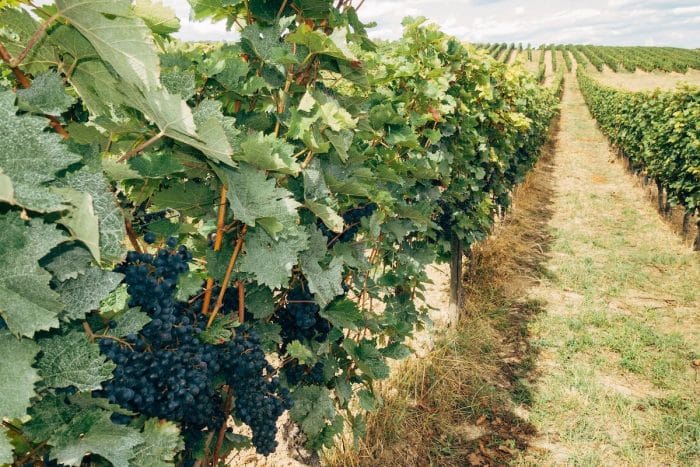
Growing grapes in your own green space is both a fascinating and rewarding activity. Private vineyards have gained popularity in recent years, allowing wine enthusiasts to produce their own beverage of choice. Cultivating vines requires a certain level of knowledge and skill, but with proper attention and care, it can thrive in almost any climate. Whether you are looking to grow a few bunches for the dinner table or to produce your own wine, understanding the necessary steps for planting, growing, and harvesting grapes can help you achieve your goal.
Growing Grapes at Home: Choosing the Right Varieties for Your Garden
In this selection process, the grape seed plays a central role. The diversity of French vineyards is reflected in this small seed that holds all the potential of the future vine and the wine it will produce.
You may also like : The manufacturing secrets of Kleber tires: find out where they are made!
The grape seed is the fundamental reproductive unit of the vine. Each variety has its own specific seeds that determine its characteristics and climatic requirements. For example, the seeds of hybrid grape varieties are known for their resilience to diseases and extreme weather conditions. These seeds are often an excellent option for those living in regions more severely affected by harsh winters.
On the other hand, if you live in a region with a moderate or warm climate, you can opt for seeds from traditional varieties like Cabernet Sauvignon or Chardonnay. These require a long warm season to ripen properly and generally offer a distinctive taste that is highly appreciated by wine lovers.
Related reading : Grandma's Tips for Perfect Nails: Natural Secrets to Discover
Before purchasing your grape seeds, it is helpful to carefully study their specific sunlight, water, and soil type requirements for each variety you are considering planting in your garden.
There are also several agricultural techniques depending on whether you choose a variety with large or small berries. In general, the latter will require more space between each plant to ensure optimal fruiting.
Always keep in mind that successfully growing grapes in your garden is not just about choosing the grape seed. Regular maintenance, proper pruning, and constant disease control are also necessary to ensure a bountiful harvest and quality fruit.
Choosing the right grape seed is an essential step that will allow your vine to thrive in the best possible conditions. Once this selection is made with care and attention, you can start to enthusiastically anticipate future harvests from your own garden.
Preparing the Soil: Secrets for Optimal Grape Cultivation
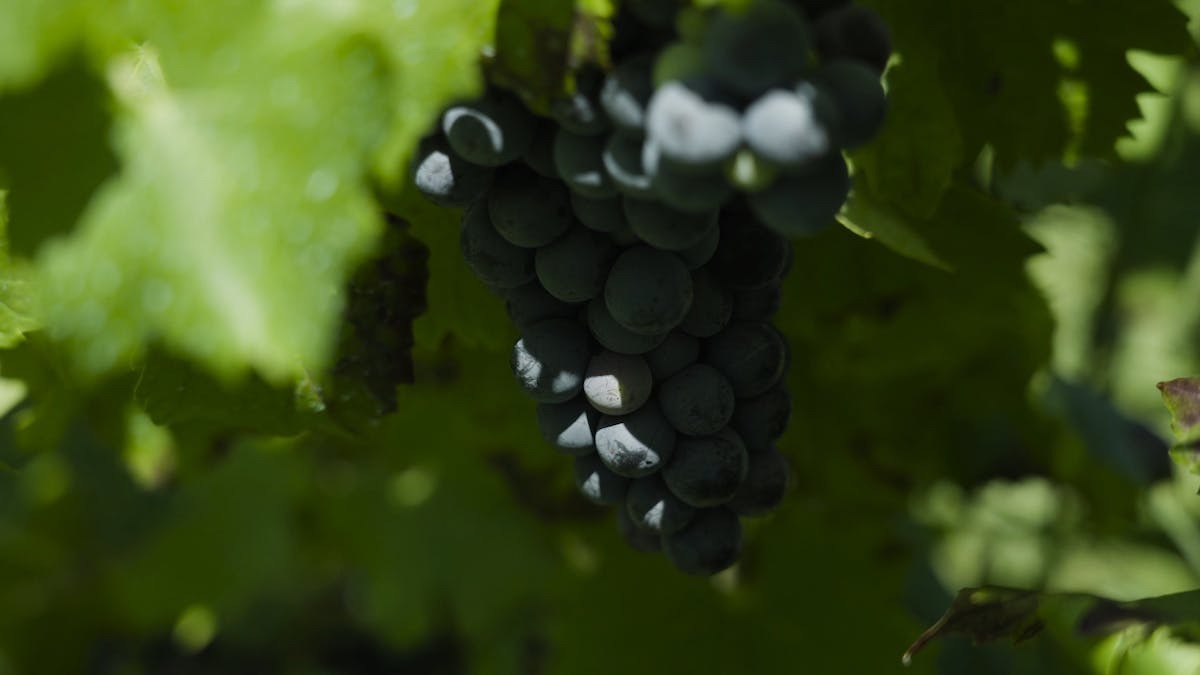
Now that you have chosen the best grape seeds suited to your climate and preferences, think carefully about the vineyards.
The first step is to assess the quality of your soil. To do this, conduct a soil analysis that will identify its physicochemical characteristics such as pH, and levels of essential nutrients like nitrogen, phosphorus, and potassium. This analysis will provide you with valuable information to adjust the necessary inputs for the proper development of the plants.
If your soil has low fertility or if certain elements are deficient, it can be remedied by adding organic or mineral amendments. For example, using well-decomposed compost can improve soil structure while providing essential nutrients for the plants.
In some cases, adding agricultural lime may be necessary to correct overly acidic pH. Be sure to choose the right grape plants. Good drainage is therefore crucial.
Once these corrections are made and your soil is ready to successfully host your future vines, you need to move on to the next step: carefully plowing and weeding to eliminate all weeds that could compete with your plants for essential nutrients.
Plowing also helps to loosen the soil by turning it over and encourages the rooting of the plants. It is best to carry out this operation several weeks before planting so that the soil has time to rest and aerate sufficiently.
Be sure to choose the right plants. Grapes need regular watering but not excessive amounts, to avoid any risk of rot or diseases related to excessive moisture.
By following these preliminary steps with rigor and attention, you will create a favorable environment for grape cultivation in your garden. This will increase your chances of harvesting juicy and delicious bunches that will delight your taste buds and those of your loved ones during future harvests.
Maintaining the Vines: Tips for Caring for Your Plants Throughout the Year
Once the vineyards are carefully planted, it is essential to provide them with constant maintenance throughout the season. The vine is a delicate plant that requires special attention to ensure its proper development and guarantee a fruitful harvest.
The first aspect to consider in vineyard maintenance is regular watering. Grapes need an adequate amount of water to develop properly. It is important to avoid problems such as the development of fungal diseases or fruit rot. Moderate and regular watering will allow the roots to draw the necessary water without saturating the soil.
Pruning the vineyards is also a crucial step in their annual maintenance. This operation involves removing unwanted branches to promote the growth of productive shoots and improve air circulation between the bunches, thus preventing the risk of fungal infections. Proper pruning will also allow the grapes to receive more sunlight, thus promoting their optimal ripening.
Controlled cover cropping plays an essential role in the overall health of the vineyard. Indeed, certain specifically adapted varieties can be used as ground cover between rows to effectively control the excessive growth of competing weeds while promoting a healthy and balanced soil. This practice also helps to limit soil erosion, thus enhancing the stability of the vine plants.
Protection against diseases and pests is another major concern in vineyard maintenance. The use of organic methods such as natural insecticides or integrated pest management can be preferred to minimize the impact on the environment while preserving the quality of the grapes produced.
Particular attention should be paid to the adequate nutrition of the vineyards. Regular applications of fertilizers specifically tailored to the nutritional needs of grapes can contribute to their vigorous growth and the optimal development of their characteristic aromas.
Maintaining your vineyards throughout the season requires careful and rigorous monitoring to ensure abundant and quality production. By following these various steps, you will be ready to harvest your own succulent bunches in your garden.
Maximizing Your Grape Harvest: Essential Tips for Abundant Production
After achieving a fruitful grape harvest, it is time to explore some tips to fully enjoy it. Here are some valuable pieces of advice that will allow you to savor the fruits of your hard work.
You should properly store your freshly picked bunches. Choose a cool, dry place, away from direct sunlight. Cellars or well-ventilated garages are ideal locations to keep your grapes in optimal conditions.
If you want to extend the shelf life of your grapes, you might also consider the drying technique. To do this, gently spread the berries on a rack and place them in a warm, airy spot for several weeks. You will thus obtain delicious dried grapes that can be used in various sweet or savory dishes.
Feel free to explore different ways to consume your abundant harvest. Fresh grapes can be enjoyed as they are as a healthy and refreshing snack, but they can also be added to various salads to add a sweet touch.
For those who appreciate more sophisticated culinary pleasures, homemade wine is an interesting option to consider.