
Immersed in the fascinating world of invertebrates, the life cycle of maggots captivates with its uniqueness. From their appearance to their final transformation, each stage is a spectacle of nature. These creatures, often associated with decay and decomposition, actually represent an essential part of the ecosystem. Their formation and development are complex and harmonious processes, revealing the ingenuity of nature. Enrich your knowledge about these underestimated beings, from their hatching to their metamorphosis into flies, while discovering the importance of their role in the environment.
Maggot Farming: An Essential Training for Their Survival
Asking ‘where maggots come from’ is a fundamental biological question that takes us to the heart of the life cycle of these creatures. To answer this question, we must trace back to the microscopic eggs laid by houseflies or other types of insects like certain dipterans.
Indeed, the development of maggots begins when the female fly selects an appropriate site to lay her eggs. These sites can vary: feces, decomposing carcasses, or overripe fruits are all preferred environments for flies to ensure their offspring have an abundance of food right from hatching.
Once the laying occurs, the embryos rapidly develop within their tiny transparent shells until they are ready to hatch as maggots. Their arrival into the world is not marked by a cry, but rather by the beginning of an endless feast where they eagerly consume any available organic matter.
The development of maggots is far from static; these little beings are constantly undergoing changes through several phases known as ‘instars’. During these phases, the larvae grow and undergo various structural changes before they are ready to enter the next phase of the cycle: pupation. It is during this stage that we then witness their final transformation into an adult flying insect capable of giving birth to a new generation.
So, if one wonders ‘where maggots come from’, one must think of the tiny nearly invisible white balls discreetly deposited in our trash, composts, or other areas rich in organic substances. Watching them then evolve into their adult form is a spectacle as fascinating as it is improbable, reminding us of the complexity and ingenuity of the natural world.
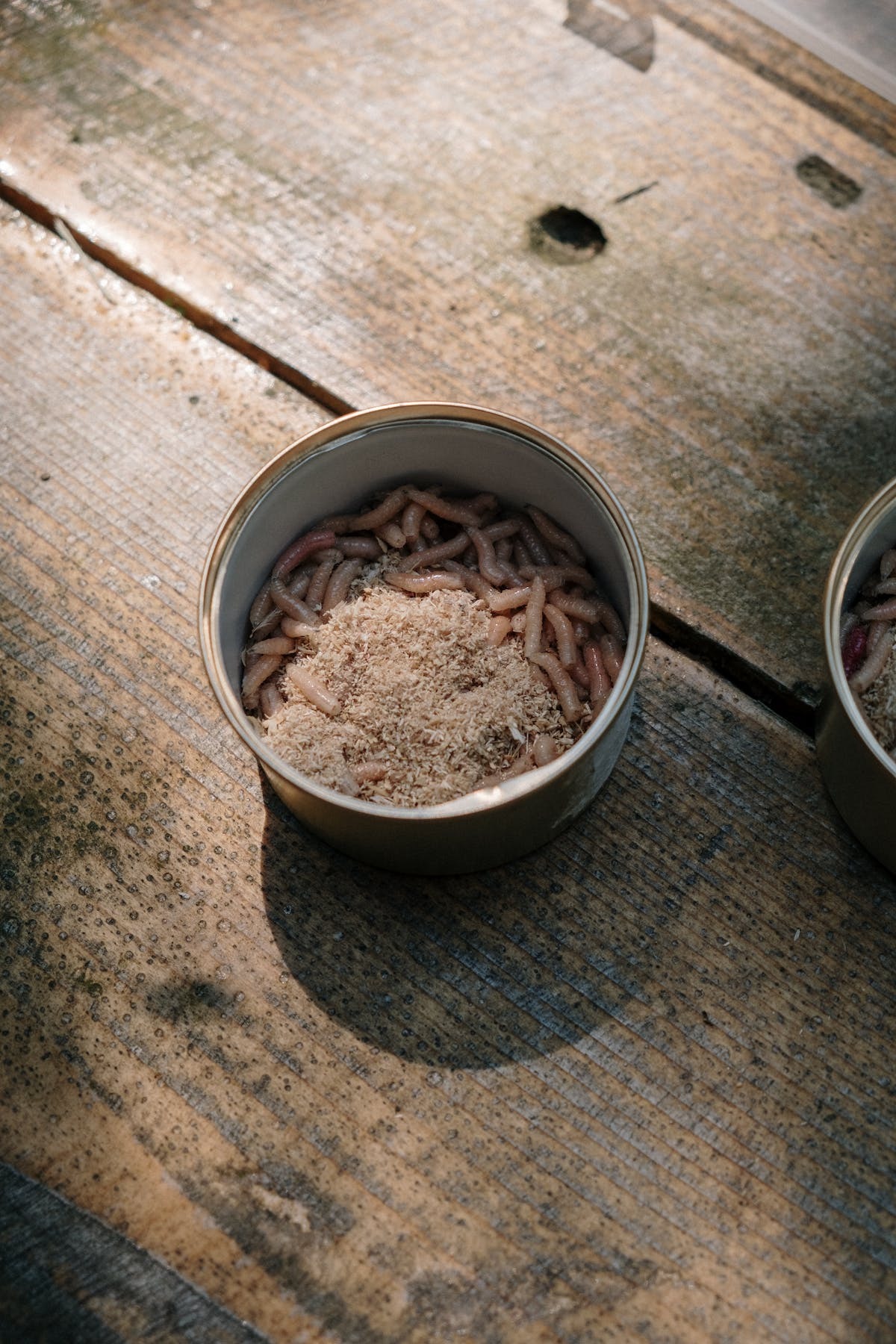
Evolution of Maggots: A Fascinating Growth Process
The metamorphosis of maggots is an astonishing phenomenon that offers an extraordinary insight into the dynamics of the animal kingdom. Once the larvae have reached their final instar, they undergo a complete transformation before metamorphosing into adult flies.
This fascinating process, called pupation, begins when the maggot stops feeding and seeks a safe place to prepare for its final molt. It then constructs a protective cocoon using special secretions produced by its salivary glands. This cocoon serves to protect the maggot during its vulnerable period where it undergoes significant internal changes.
Inside the cocoon, the maggot goes through a series of incredible transformations. Its body undergoes a complete reorganization as tissues and organelles restructure to form the distinct body structure of an adult fly. Muscle cells are remodeled to allow for flight, while sensory organs develop to provide future adults with their characteristic visual and olfactory capabilities.
During this crucial phase of metamorphosis, the external appearance also changes significantly. The color and texture of the maggots become darker and more rigid as they lose their characteristic worm-like appearance in favor of a more compact body with well-formed appendages.
After several days or weeks in the cocoon, depending on environmental conditions such as temperature and humidity, the transformation is finally complete. The maggot emerges from its cocoon in the form of an adult fly ready to fly and reproduce.
The metamorphosis of maggots is a remarkable adaptation that allows them to adjust to the different stages of their life cycle.
Transformation of Maggots: The Astonishing Metamorphosis from Larva to Adult
The importance of maggots in the ecosystem cannot be underestimated. These small creatures play a crucial role in the decomposition of organic matter and the recycling of nutrients, thus contributing to maintaining the ecological balance.
Maggots are known for their insatiable appetite. By feeding on decaying matter such as dead leaves, animal carcasses, or even feces, they help accelerate the degradation process. Their powerful digestive enzymes allow them to quickly break down these complex organic substances into simpler elements.
By converting organic matter into smaller particles, maggots make these elements available for other organisms such as bacteria and fungi in the soil. This process promotes better nutrient absorption by plants by facilitating their availability and assimilation within the soil.
Maggots also alter the chemical composition of the soil through the secretions they produce while feeding. These secretions enrich the soil with beneficial organic compounds that stimulate plant growth and improve its overall fertility.
But that’s not all! Maggots also provide a valuable food source for many animals such as certain birds, fish, or amphibians. They thus represent an essential link in the food chain and contribute to ensuring the trophic balance of ecosystems.
Maggots are also used in medicine and scientific research. Their ability to clean wounds from ulcers or burns is well known, and they can be used in the healing process. Their unique genome offers promising prospects for medical research in various fields such as regenerative medicine or drug discovery.
Maggots play a fundamental role within the ecosystem. Their beneficial action on the decomposition of organic matter, their contribution to soil fertility, and their important place in the food chain make them indispensable actors in maintaining the overall ecological balance.
Crucial Role of Maggots: A Vital Contribution to Ecosystem Balance
The formation and development of maggots is a fascinating process. It all begins with the laying of eggs by flies, small black flies that resemble houseflies. The eggs are laid in organic-rich areas, such as compost heaps, dead animals, or even feces.
After just a few days, the eggs hatch to give birth to tiny larvae called ‘maggots’. These larvae are highly mobile and immediately begin their insatiable quest for food. They primarily feed on decomposing organic matter and grow rapidly due to their abundant diet.
As the maggots grow, they undergo several molts to allow for their physical development. When they reach a sufficient size, they enter the preparation phase for the ultimate transformation: that of the so-called ‘pre-pupa’ stage.
During this crucial transitional period, the maggot gradually ceases its feeding activity and physiologically prepares for the complex process of metamorphosis.