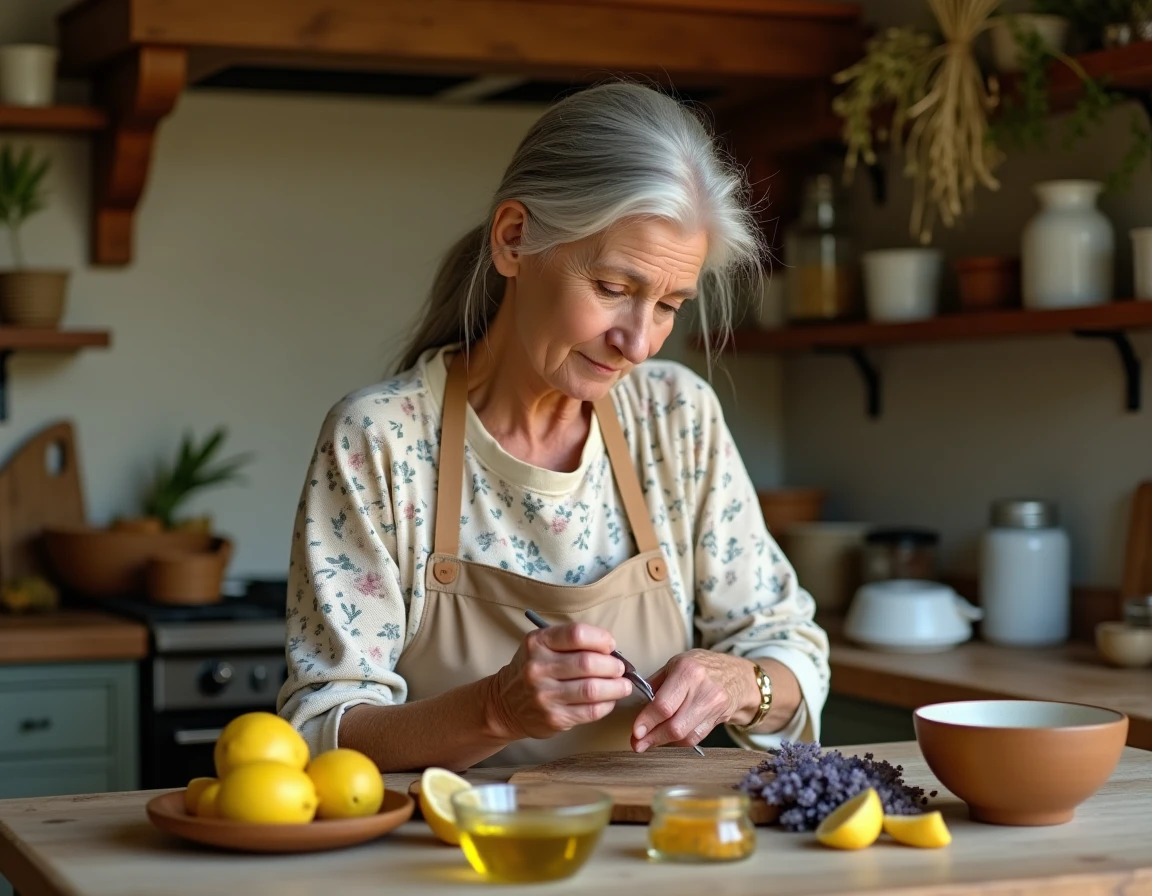
The nail plate is a keratinized structure whose behavior towards natural actives depends on its hydration level, porosity, and the condition of the periungual fold. Applying a grandmother’s remedy without considering these parameters is akin to treating a symptom without a diagnosis. We review practices that withstand clinical scrutiny, those that weaken the matrix, and the adjustments that make the difference between an effective treatment and a disguised chemical aggression.
Dermatological Risks of Acidic Remedies on the Nail Plate
Pure lemon and concentrated vinegar remain the two most commonly recommended “classics” online for whitening or sanitizing nails. On a healthy plate, acidity causes a gradual dissolution of the disulfide bonds in keratin. On a nail that is already dry or ridged, the effect is much quicker.
French dermatologists and podiatrists report that prolonged vinegar or lemon baths promote the breaking of the nail plate, particularly in individuals suffering from onychoschizia (split nails). The result contradicts the stated goal: instead of strengthening the nail, it weakens it and increases consultations.
For those wishing to delve deeper into the topic of natural nail care, Kristal Beauté’s advice provides a useful starting point before adapting each recipe to one’s own nail type.
The French Society of Dermatology also reminds that essential oils should not be applied pure on the hands and nails of sensitive skin. The increase in contact allergies related to essential oils is documented, especially when they interact with the resins and solvents of nail polishes or gels already present on the nail.
Periungual Microbiota and Aggressive Natural Care
The area around the nail hosts a specific skin microbiota that contributes to defense against pathogens. Studies published in the journal Microorganisms show that certain traditional remedies disrupt this balance.
Three common practices pose problems:
- Repeated very hot baths, which denature the hydrolipidic film of the periungual fold and promote micro-cracks, entry points for bacteria.
- Black soap used too frequently, whose alkaline pH strips the resident flora and delays healing after a small manicure injury.
- Pure lemon applied daily, which combines acidic aggression and photosensitizing effect if the hands are exposed to sunlight in the following hours.
An irritated periungual fold reddens, swells slightly, and becomes vulnerable to small infections. We observe that most popular articles omit this microbiological dimension, even though it directly conditions the visible health of the nail.
Castor Oil and Shea Butter: What Really Works on Dry Nails
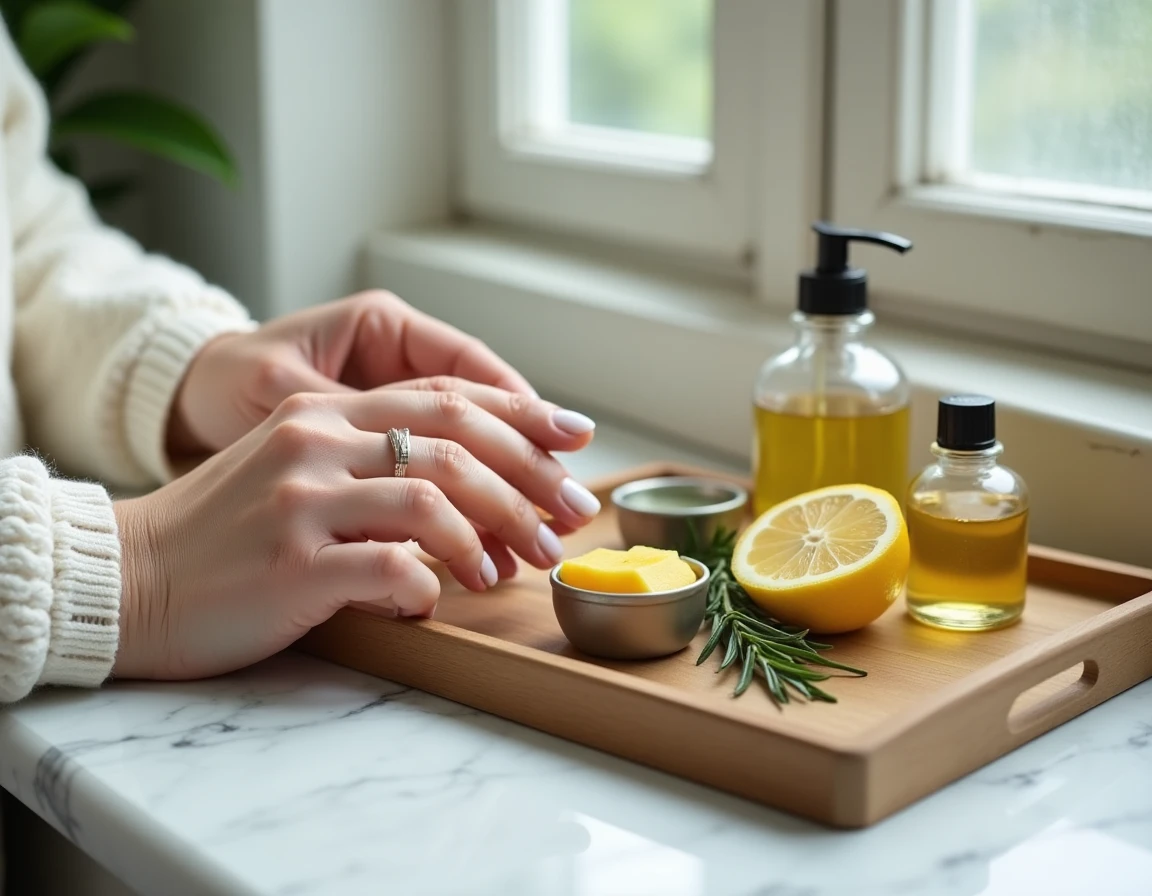
Among the fatty substances recommended by grandmothers, castor oil remains the most relevant choice for brittle nails. Its high viscosity allows it to form an occlusive film on the plate, limiting insensible water loss. Application is done with a gentle massage on the nail and cuticle, ideally in the evening under a fine cotton glove.
Raw (unrefined) shea butter acts complementarily on the periungual fold. Its unsaponifiable fraction, rich in triterpenes, supports the flexibility of the skin around the nail without altering the local pH. The combination of the two, used alternately, covers both the plate and its surrounding skin.
In contrast, coconut oil, often placed on the same level, has a weaker occlusive power and a rapid penetration that limits its protective effect over time. It is better suited for occasional care than for ongoing treatment.
Adapting the Frequency and Duration of Natural Nail Baths
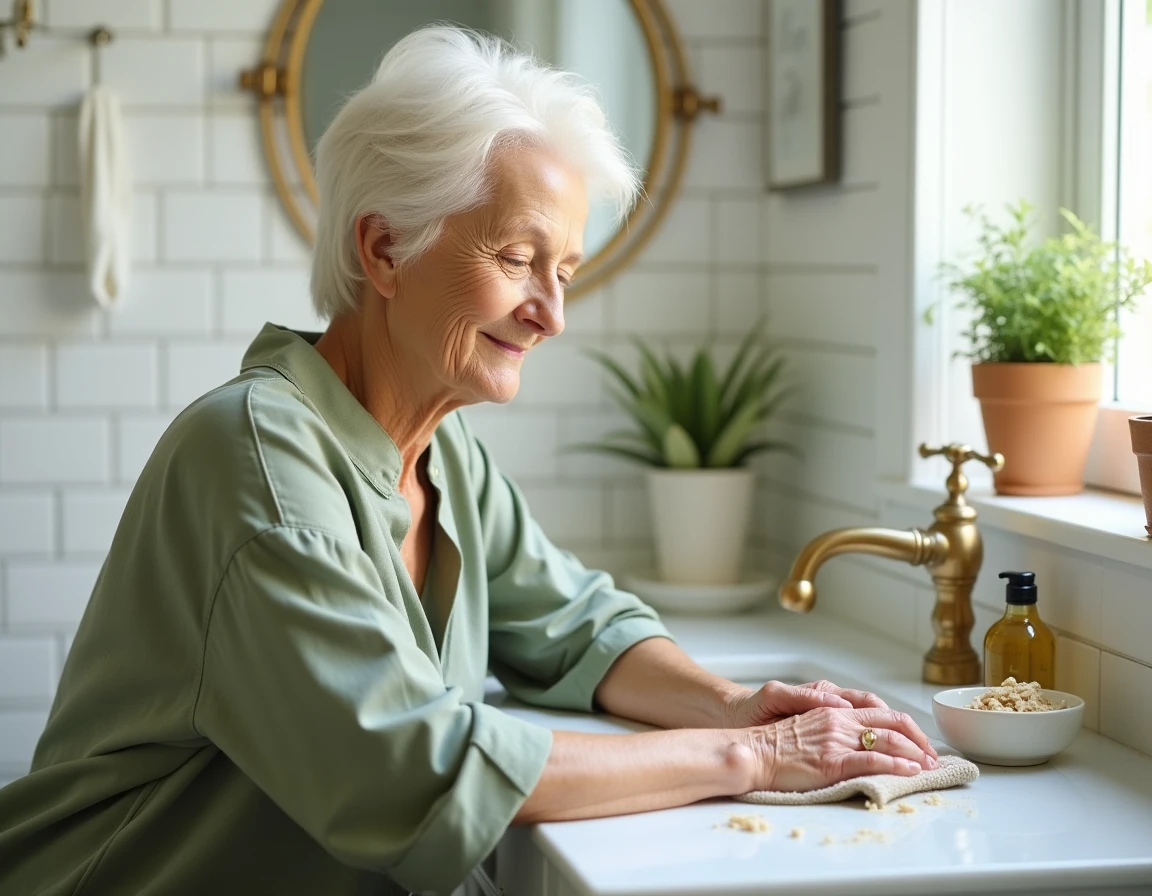
An effective nail bath should not exceed ten minutes, regardless of the active used. Beyond that, the plate absorbs too much water, swells, and then retracts as it dries, which amplifies longitudinal ridges and splits.
The temperature of the water is as important as the composition of the bath. We recommend lukewarm water, never hot, to avoid excessive vasodilation of the nail bed. Adding a teaspoon of olive oil or a few drops of castor oil to the bath water creates a light emulsion that limits overhydration while softening the cuticles.
The ideal frequency is about once a week for a normal nail, and once every two weeks for a nail that is already weakened. Multiplying baths, even “gentle” ones, amounts to subjecting the keratin to cycles of swelling-retraction that accelerate the aging of the plate.
File, Buffer, and Often Neglected Mechanical Gestures
Grandmother’s recipes focus on actives, but the mechanical gesture is equally important. Always file in the same direction reduces heating by friction and preserves the cohesion of the layers of keratin. The back-and-forth motion, still widely practiced, creates micro-delaminations invisible to the naked eye that turn into splits a few days later.
The four-sided buffer, used sparingly (no more than once a month), allows for smoothing superficial ridges without thinning the plate. Pushing back the cuticles with a wooden stick after a short bath is safer than cutting them, a gesture that exposes the fold to micro-cuts and bacterial colonization.
Grandmother’s tips for perfect nails are only valuable if they respect the biology of the nail plate. An appropriate fatty substance, a short and lukewarm bath, a file used in one direction: these three principles, verifiable and reproducible, are sufficient to achieve visible results in a few weeks without risking weakening what one seeks to beautify.