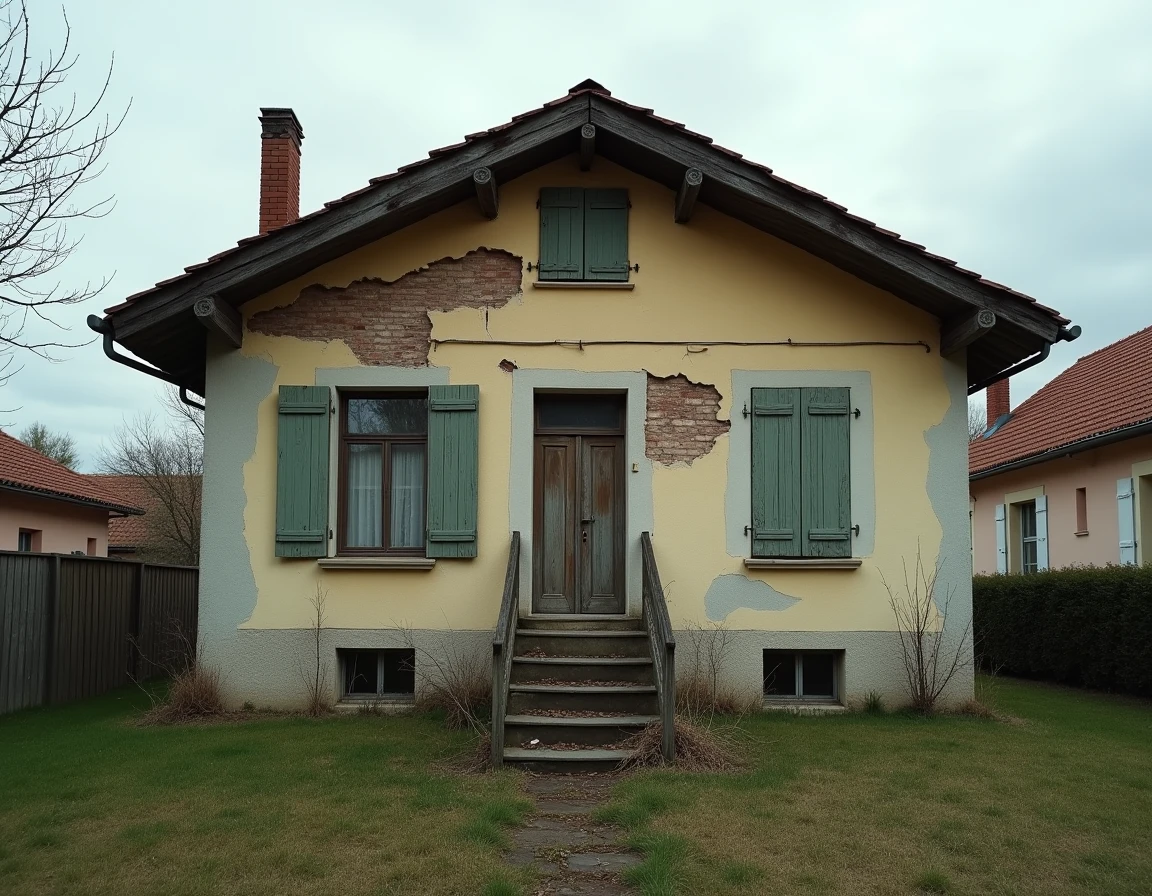
A property with a collapsed roof, non-functional water or electricity systems, or that is subject to a municipal danger order remains liable for property tax until its owner has formally requested a tax relief. The tax administration does not spontaneously detect the uninhabitability of a property: it is up to the owner to provide proof that the property cannot be occupied, and that this situation covers the entire relevant tax year.
Uninhabitability and involuntary vacancy: two distinct tax concepts
The tax vocabulary distinguishes between voluntary vacancy (an owner who leaves their property empty by choice) and involuntary vacancy, linked to a disaster, structural degradation, or an administrative prohibition to occupy. Only the latter qualifies for property tax relief.
Voluntary vacancy also exposes the owner to additional taxes (tax on vacant housing in tight areas, or housing tax on vacant properties depending on the municipality). The relief for uninhabitability follows an inverse logic: it acknowledges that the property has temporarily lost its residential function.
To justify the exemption from local taxes, the owner must demonstrate that the impossibility to inhabit is not due to their own negligence, and that it covers the entire tax period. A house uninhabitable for six months out of twelve is generally not sufficient.

Danger or unhealthiness order: the most decisive proof for taxes
Not all supporting documents carry the same weight in the eyes of the tax authorities. In practice, a danger or unhealthiness order issued by the mayor or prefect constitutes the strongest signal. This official administrative document certifies that a public authority has recognized the danger or unhealthiness of the building.
When such an order exists, the administration grants the tax relief almost systematically. The owner no longer has to prove the condition of the property by other means: the order serves as demonstration.
When no order has been issued
Not all uninhabitable properties are subject to an order. A massive water damage, a partial fire, or a floor collapse can render a property uninhabitable without municipal intervention. In this case, the burden of proof rests entirely on the owner, and the tax authorities apply a more thorough examination of the file.
The collection of material evidence then becomes crucial. The administration seeks to verify that the vacancy is indeed real and continuous throughout the year.
Supporting documents accepted by the tax administration
The tax authorities give weight to material and continuous evidence of vacancy linked to the disaster. The file must demonstrate that no one has been able to occupy the property, even partially. Here are the most commonly accepted documents:
- A bailiff’s report describing the condition of the property (structural cracks, absence of flooring, mold making the air unbreathable), dated and detailed.
- Zero energy bills or certificates of meter disconnection (water, electricity, gas), proving the absence of consumption throughout the period.
- Timestamped photographs showing the extent of the damage, ideally taken several months apart to attest to the lasting nature of the uninhabitability.
- Undelivered registered mail to the property, or a postal certificate of non-delivery of mail.
- An expert report (insurance, control office) concluding the technical impossibility of occupying the property.
A single isolated document carries little weight. It is the convergence of several elements that convinces the administration. Zero energy bills combined with a bailiff’s report form a solid case.
Request for tax relief via secure messaging
The procedure has evolved in recent years. Since the generalization of the online service “Manage my real estate” on impots.gouv.fr, the request for tax relief is processed via secure messaging with digitized attachments. A physical visit to the public finance center is no longer necessary in most cases.
Concrete steps for the request
The owner logs into their personal space, accesses the secure messaging system, and sends a letter to the property tax service responsible for the property. The message must specify the exact address of the property, the nature of the disaster or degradation, and the claimed period of uninhabitability.
The supporting documents (report, photos, bills, order if applicable) are attached in digital format. The administration then has a period to process the request and may request additional information.
A point of caution: the request must be made before December 31 of the year following the contested tax year. An owner who discovers their right to relief late loses all possibility of appeal beyond this deadline.
Refusal of tax relief: the most common reasons
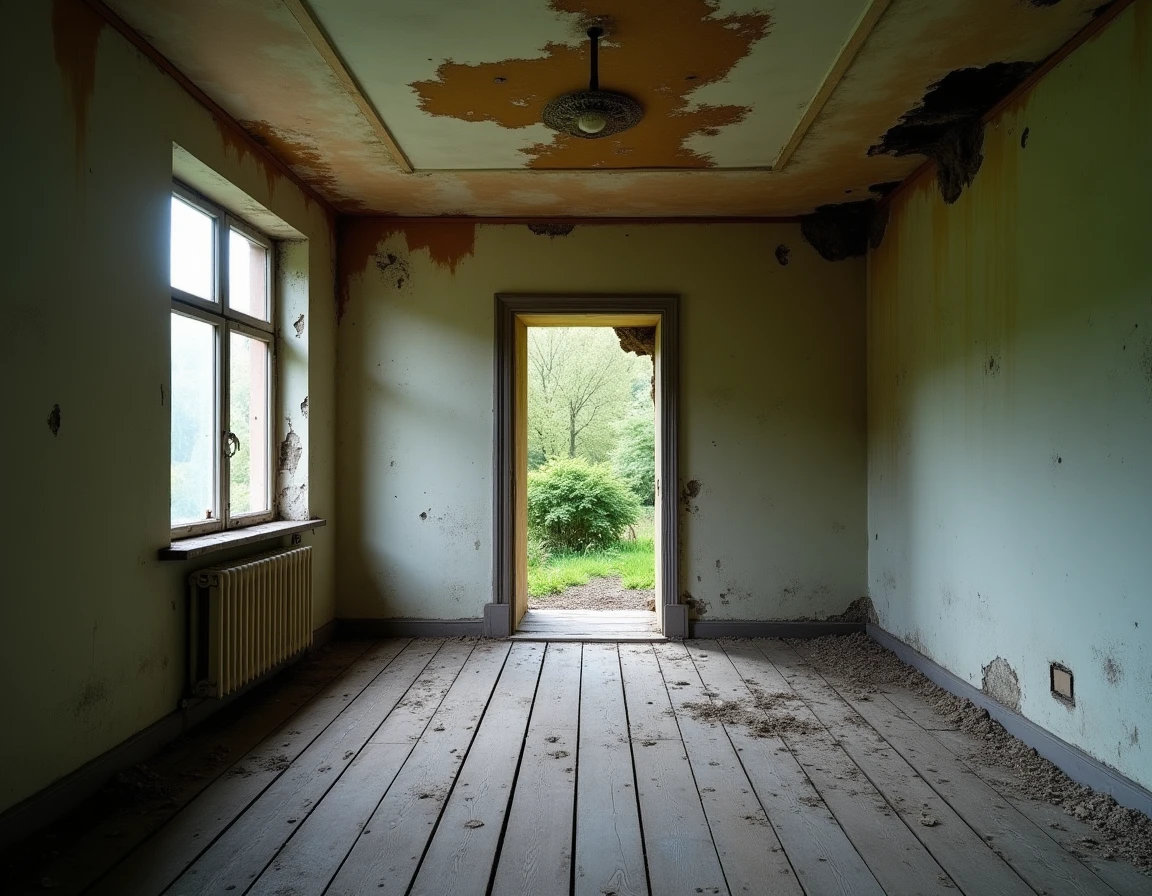
Requests are regularly rejected for specific reasons that the owner can anticipate. The most common reason concerns the duration of uninhabitability: if the property remains technically habitable for part of the fiscal year, even in the presence of major work, the administration refuses the relief.
The other frequent reason is the lack of sufficient proof of involuntary vacancy. A property empty because the owner has not undertaken repairs will be considered vacant by convenience, not by necessity.
Contesting after a refusal
In the event of rejection, the owner can file a contentious claim with the tax service, supplementing their file with new documents. If the disagreement persists, the route to the administrative court remains open, but it requires a substantiated technical file and significantly longer procedural timelines.
Tax relief for uninhabitable houses is not automatic. The administration finely distinguishes between suffered vacancy and chosen vacancy, and the file must reflect this distinction in each attachment. A danger order significantly simplifies the process, but in the absence of this document, the combination of converging material evidence remains the only credible path.